
Franklin County Sex Offender Checks
The Pennsylvania State Police operates the official Megan’s Law Public Website. It is the primary Franklin County registry channel and supports searches for people who reside, are transient, work, or attend school in a selected community. Searchers can use a person’s name or a location. County, municipality, address, map, and list paths help narrow a result when a name alone is too broad.
Start with a precise question about Franklin County. A name search is useful when identity is known. A location search is better for awareness around a home, school route, park, or family destination. Read the profile’s verification and update information before drawing any conclusion about an address. Classification reflects Pennsylvania law and the offense history specified by statute, not a searcher’s personal estimate of risk.
The Pennsylvania Megan’s Law Public Website provides the official search interface.
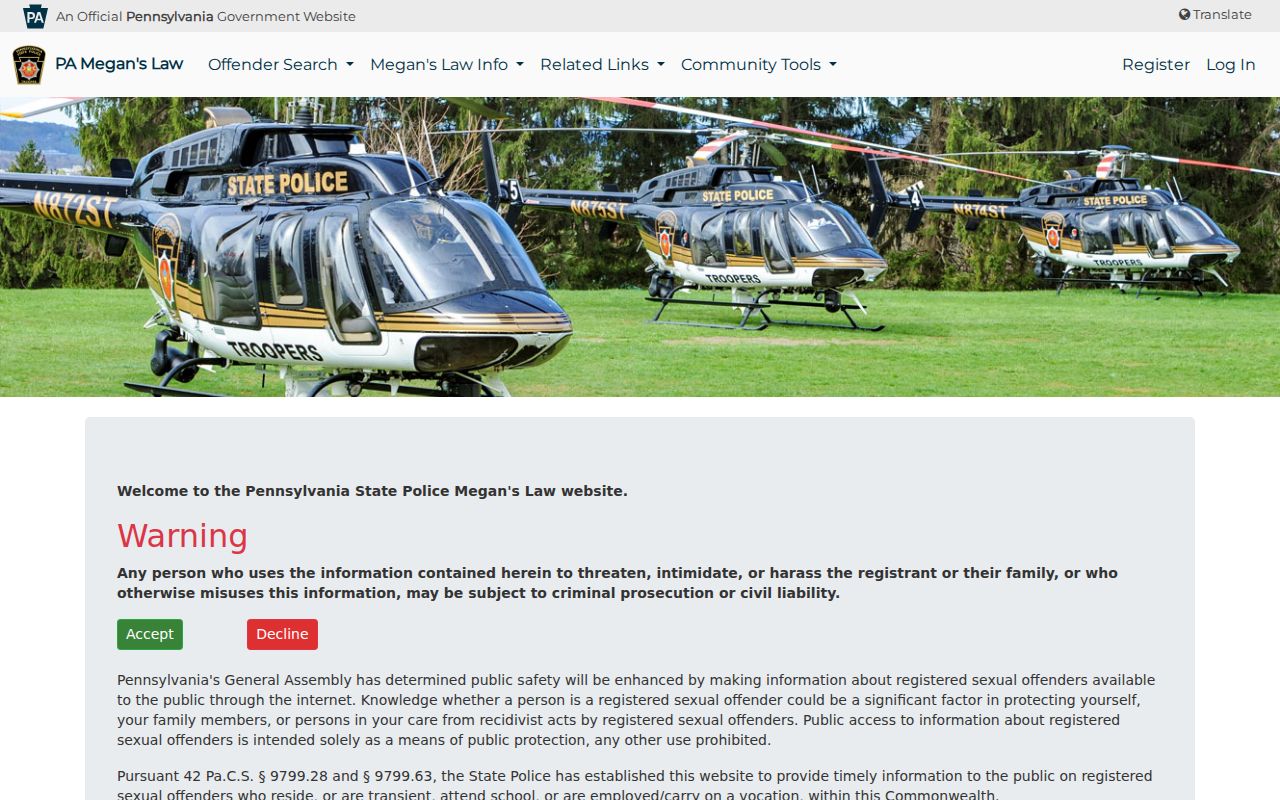
The interface lets a Franklin County search move between identity and place-based methods without relying on a commercial people finder.
Franklin County Registry Agency Roles
Franklin County registration and verification are law-enforcement duties coordinated under Pennsylvania State Police requirements. The reviewed official sources did not confirm Franklin County registration counter hours or a single county walk-in site. Anyone who must register or verify should contact PSP or the Franklin County Sheriff or police agency for the proper approved location before arriving. That avoids relying on an address that may not serve the needed function.
Suspected noncompliance should be reported with objective facts, such as the profile involved, the location observed, and the date. Contact local law enforcement or PSP. Use 911 only for an emergency. A public profile is not an invitation to investigate someone in person, confront a household, or publish added personal data.
Pennsylvania Megan’s Law Public Website Searches
The state search provides several paths for Franklin County, so the best method depends on what is known. Use Franklin as the county filter when the goal is countywide awareness, or enter a municipality such as Chambersburg, Waynesboro, or Greencastle when the interface accepts it. Address searches depend on complete location data and geocoding. Search and reset controls let the user refine the query without treating the first result list as final.
- Open the official registry, read its conditions, and select the search method that fits the known name or location.
- Enter a last name, or use the location pathway with Franklin County, a municipality, street address, city, ZIP, or map control as needed.
- Review the map or list and compare public identity details. Do not assume that a shared name identifies the right profile.
- Open the full profile and check classification, compliance status, residence or transient data, work or school fields, offense basis, and update information.
- Save an address-radius or profile alert when continued notice would support a practical safety plan.
| Field label | Type | Required | Options or notes |
|---|---|---|---|
| Search method | Tab or control | Yes | Name, location or address, county or municipality, and map/list pathways |
| Last Name | Text | Conditional | Begins a name search |
| First Name | Text | No | Narrows a common last name |
| County | Dropdown | No | Select Franklin for a county filter |
| City or municipality | Text or dropdown | No | Use the local name accepted by the live interface |
| Street address | Text | Conditional | Use a complete address for proximity searching |
| City or ZIP | Text | Conditional | Supports location geocoding |
| Radius | Dropdown | Conditional | Notification coverage is available up to five miles |
| Map or List | View controls | No | Switches geographic and result-list views |
Franklin County Registry Radius Alerts
For Franklin County, the state registry’s notification tool can monitor an address and radius up to five miles. Alerts may report when a covered person moves into or out of the area, starts or stops work there, or starts or stops attending school there. The site also permits notice tied to a selected public profile. These are distinct changes, so read the alert type before assuming that a residence changed.
The PSP electronic notification instructions explain how to register an email and location.
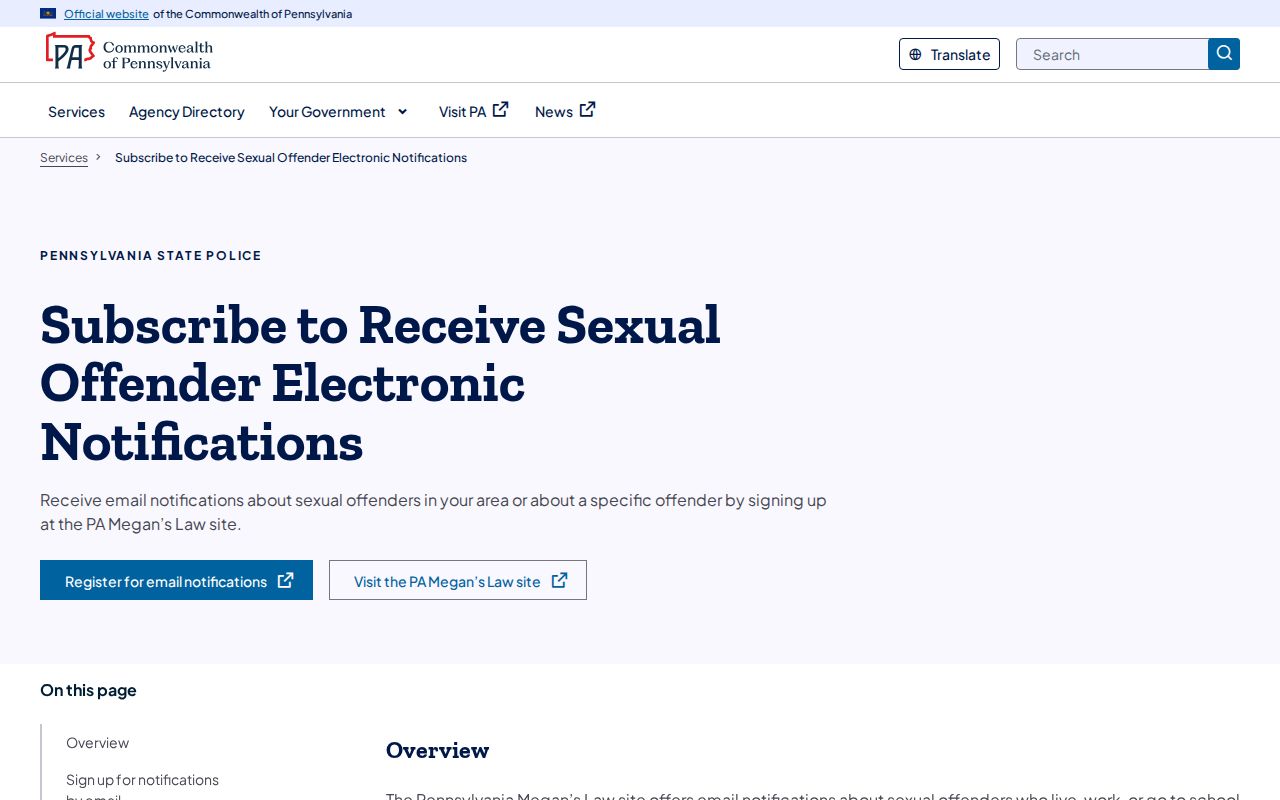
Alerts support ongoing awareness, but each notice should be checked against the current official profile before any safety decision.
Note: A residence, work, or school alert reports a registry update and does not establish that a new offense occurred.
Registry Profiles: What They Show
A Franklin County public profile combines identity, registration, and offense-basis fields authorized for Internet display. It may include more than a name and address. Read the photo date, verification information, and status together. A profile does not reveal every fact known to law enforcement, and it does not supply a general forecast about a person or everyone connected to an address.
| Name and aliases | Public identity names used to help distinguish the profile from a similar name. |
|---|---|
| Photo and description | Current photograph and photo date if posted, plus authorized physical traits, marks, and tattoos. |
| Residence or transient data | Published location information and status as Pennsylvania law permits. |
| Work and school | Employment or attendance locations when those fields are subject to public display. |
| Vehicle details | Vehicle information where the governing law authorizes publication. |
| Offense basis | Offense description, statute, conviction date or jurisdiction, and registration basis. |
| Classification | Tier I, II, III, a legacy category, or another statutory classification shown by the registry. |
| Status and updates | Compliance, registration, verification, or update information available on the public profile. |
The official Megan’s Law information page adds context for public profile and notification fields.
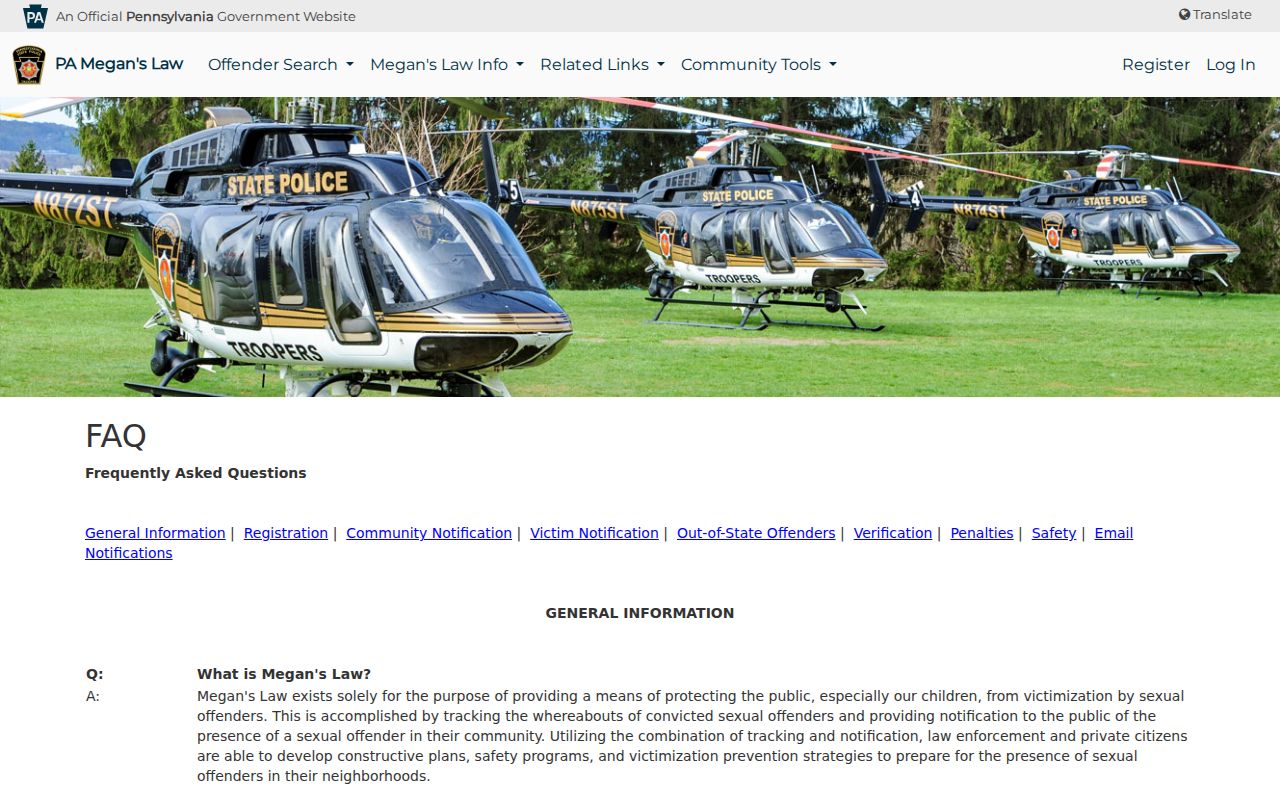
Its explanations help separate a posted registration fact from an unsupported claim about unlisted conduct or current risk.
Reading Franklin County Registry Profiles
The tier shown on a Franklin County profile is based on the governing statute, offense, conviction date, and legal history. It is not assigned from a visitor’s view of a photo, felony grade, neighborhood, or past news report. The offense description and statute are therefore more reliable than an informal label. Pennsylvania’s Registration Details page lists the covered laws and should be used rather than guessing from a court docket.
Profile dates also matter. Compare the photo date, current status, and verification or update line. A work or school address does not mean it is a residence. Transient status is a separate registration fact. Vehicle and physical details can help distinguish people, but should never be used to track, follow, or confront someone.
Registration Levels and Duties in Pennsylvania
For qualifying offenses committed after December 20, 2012, Pennsylvania uses three main tiers on Franklin County profiles. Some profiles remain governed by legacy ten-year or lifetime provisions, and Sexually Violent Predator status carries additional statutory duties. The duration and verification schedule come from law, not from a county-level score.
| Classification | Duration | General update frequency |
|---|---|---|
| Tier I | 15 years | Annual in-person verification |
| Tier II | 25 years | Semiannual in-person verification |
| Tier III | Lifetime | Quarterly in-person verification |
| Sexually Violent Predator | Lifetime | Quarterly, plus statutory notification and treatment provisions |
| Legacy ten-year registrant | 10 years | Governed by the applicable legacy provision |
| Legacy lifetime registrant | Lifetime | Governed by the applicable legacy provision |
The official Registration Details page links classifications to the controlling offenses and statutory provisions.
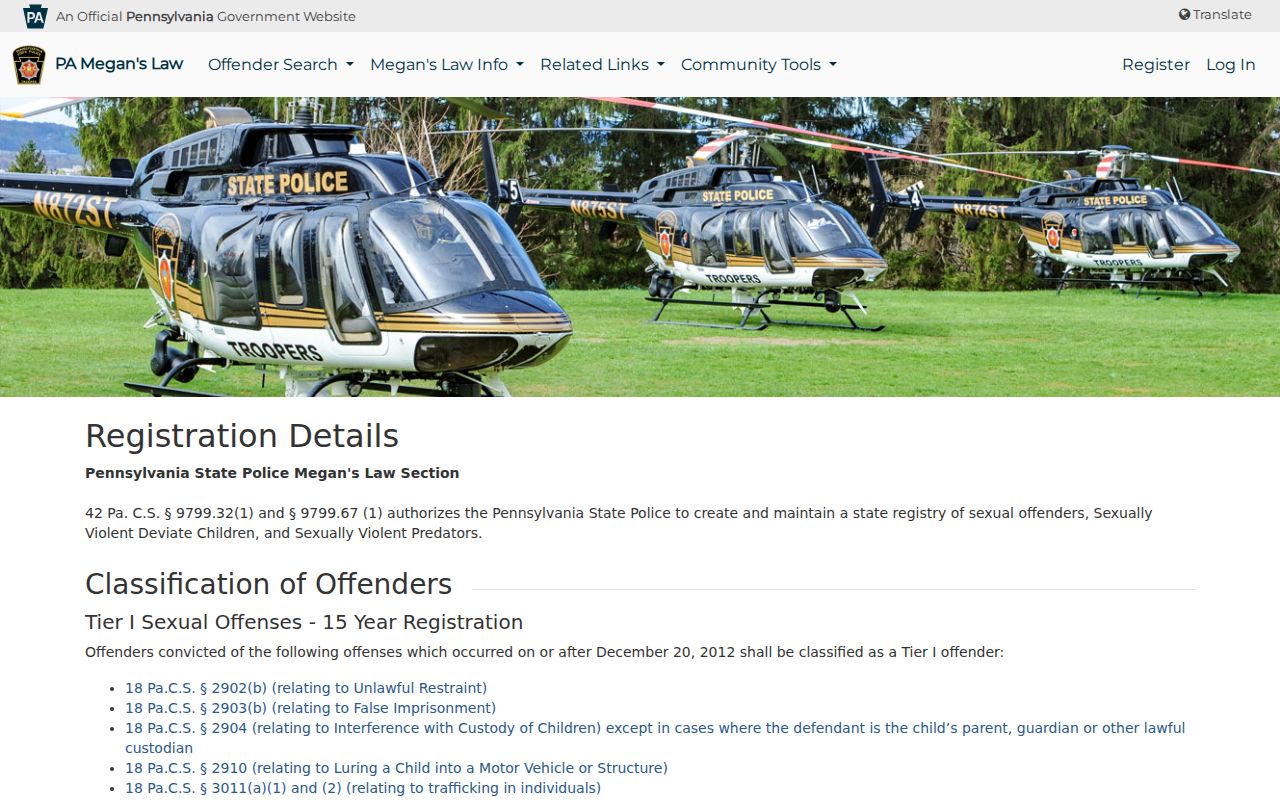
The source is the sound way to interpret a tier when a docket grade alone does not explain registration duties.
Franklin County and National Registry Search
A Franklin County filter is local by design. It can miss a person registered in Maryland or another state, a key point for a county on the state line and near major north-south routes. The U.S. Department of Justice National Sex Offender Public Website, or NSOPW, federates searches across participating jurisdictions. Use it when a safety question crosses state borders, then open the source jurisdiction’s official profile for current detail.
The National Sex Offender Public Website provides the federal cross-state search layer.
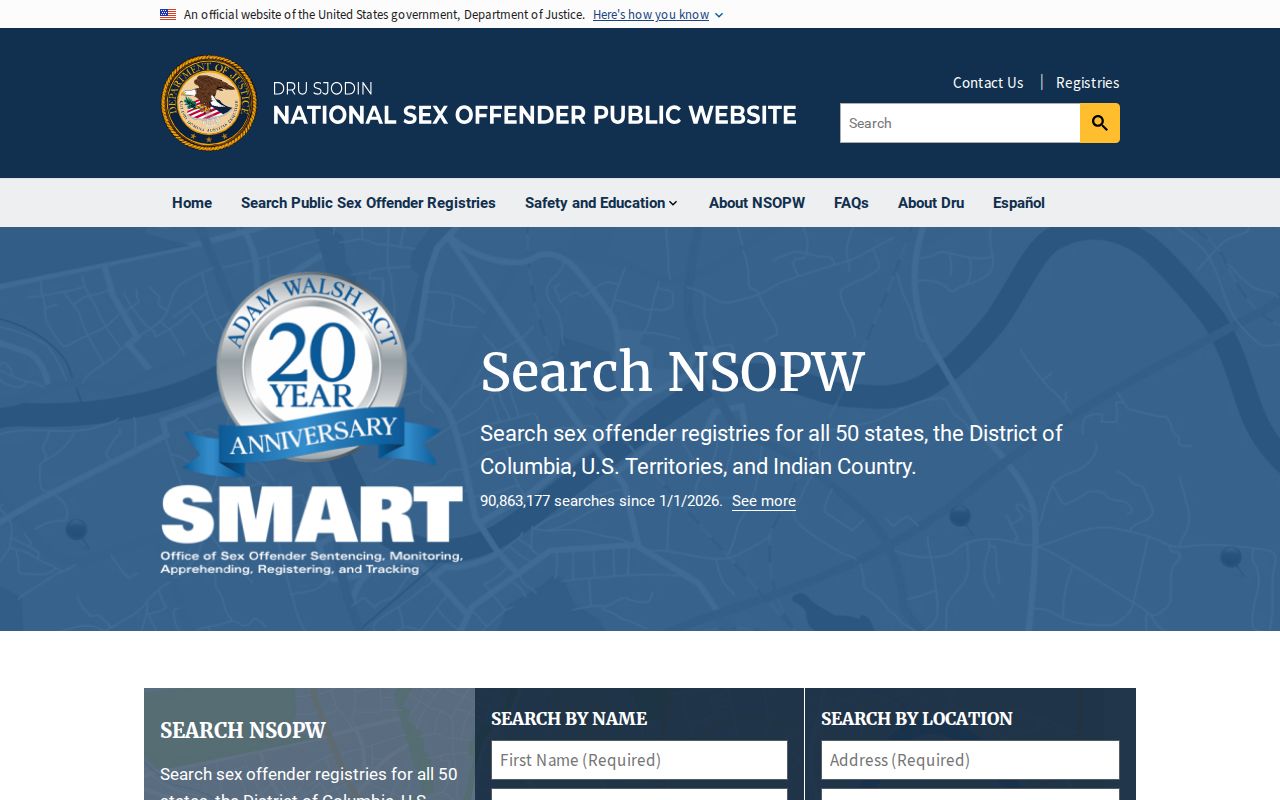
NSOPW widens geographic coverage while leaving registration details and updates with the responsible state or territory.
Correcting Franklin County Registry Concerns
When registry information appears stale, first check the profile’s last verification or update data. Confirm that the questioned field is a residence rather than work, school, or transient information. If a concrete discrepancy remains, report it to local law enforcement or PSP with objective facts. Do not attempt personal verification at the listed address.
Law enforcement decides how to investigate a suspected failure to register or update information. A public user cannot mark a profile noncompliant, change its tier, or resolve an address dispute. If there is an immediate threat, call 911. Otherwise, use the normal nonemergency channel and preserve the profile link, location, date, and observed fact without spreading a claim that has not been verified.
Using Registry Information Lawfully
The Franklin County registry search exists for community awareness and practical safety planning. Use official profile data to choose routes, discuss age-appropriate safety rules, and monitor verified changes. Do not infer a new offense from an alert or treat all people at a listed address as registrants. The statute permits Internet dissemination of specified information and also sets limits on misuse.
Misuse has legal consequences: Do not threaten, intimidate, harass, vandalize, unlawfully discriminate, or take vigilante action with registry data. 42 Pa.C.S. §9799.28 governs Pennsylvania Internet dissemination and misuse restrictions.
The Pennsylvania registration statute supplies the legal framework for public registry information.
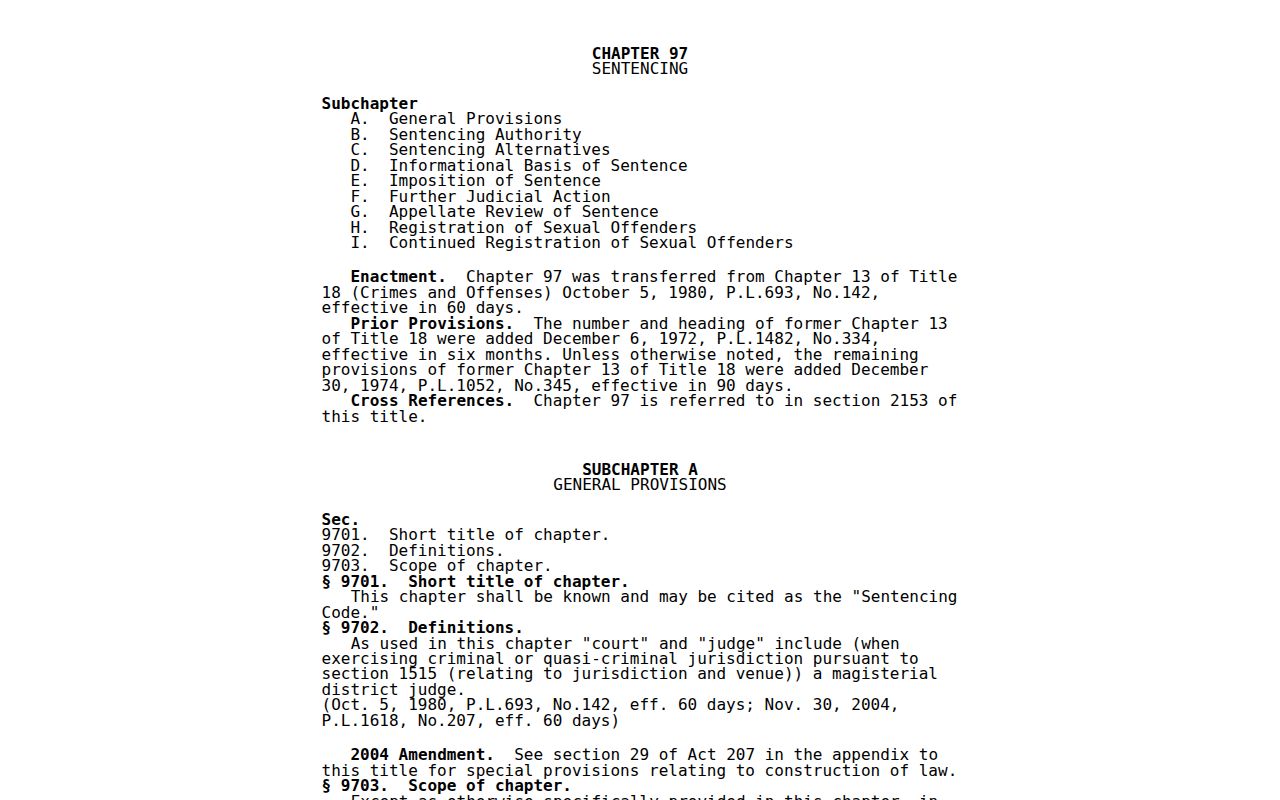
The statute explains why public access and lawful restraint must be read together whenever registry information is used.